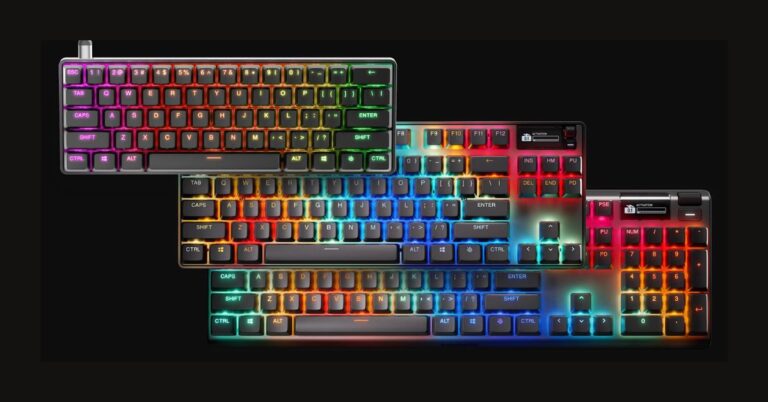
Let’s be real, most keyboards sound… kinda sad out of the box.
Hollow. Pingy. Like you’re typing on a plastic lunch tray in a middle school cafeteria.
But don’t worry! There’s an easy fix that doesn’t involve soldering, switch lubing, or wading though the r/MechanicalKeyboards chaos.
That fix is: keyboard foam mods.
If you’ve never heard of it before, no worries.
By the time you finish this guide, you’ll know exactly how to choose the best foam for keyboards and where to place it for the perfect sound.
So, let’s not waste anymore time and get into this guide!
*Keyboard Forge is a participant of affiliate programs and earns from qualified purchases*
What Does Keyboard Foam Actually Do?
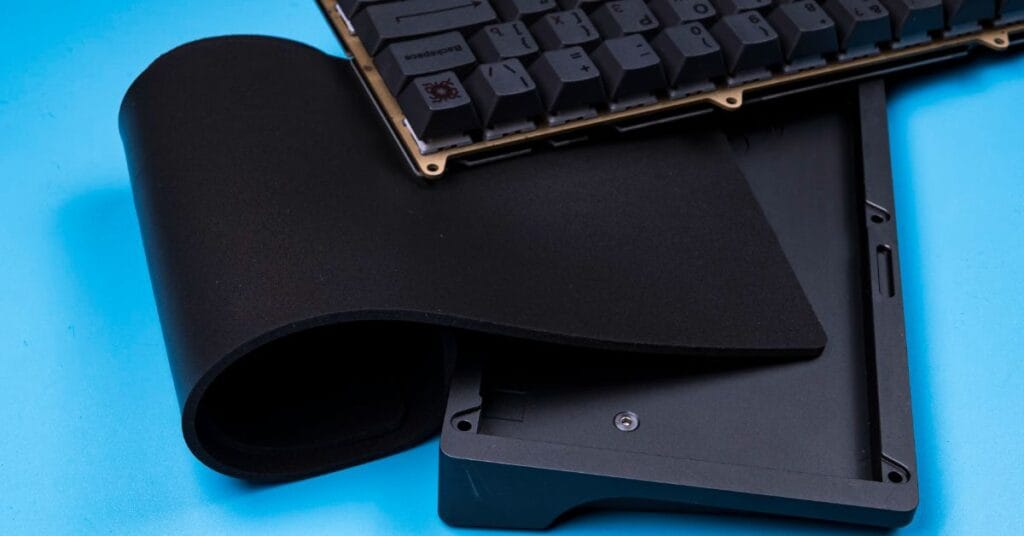
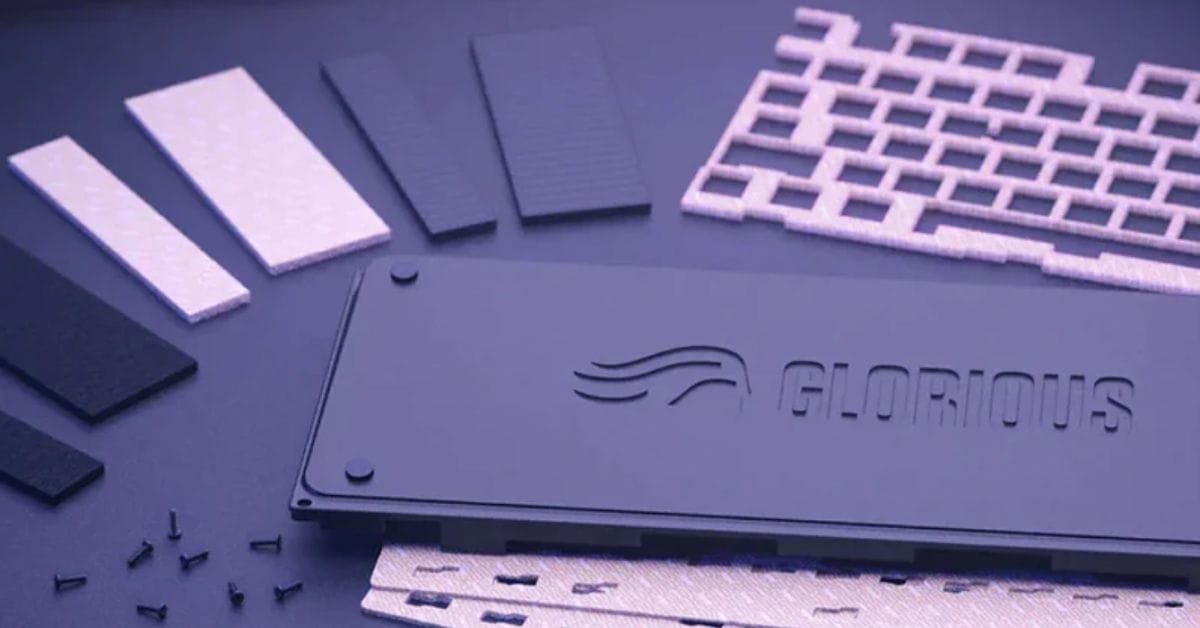
Keyboard foam is a dampening material used to eliminate case resonance, reduce metallic ping, and deepen the overall sound signature of a mechanical keyboard.
Here’s what keyboard dampening foam brings to the table:
- Deepens your keyboard’s sound, especially with linear switches
- Reduces pinging and metallic reverb from your case or plate
- Tightens up the feel of each keystroke
- Improves the overall quality of your typing or gaming sessions
And honestly, it’s one of the cheapest, easiest mods out there.
If your keyboard sounds like a cheap toy or vibrates like a tuning fork, foam can be a game-changer.
But it’s not just about silencing things. Really, it’s about customizing your sound signature.
Want that deep, buttery “thock” that sounds like popcorn popping? Foam helps get you there.
Prefer a softer, more muted tone for those quiet office environments or late-night game grinds? Foamrat’s got your back.
Plus, the right foam in the right place can also make your keyboard feel more stable and less rattly, especially on boards with a lot of empty space inside.
So yeah, it’s not just a sound mod, it’s an entire experience upgrade.
Be sure to pair it the right switches. Learn all about switches here:
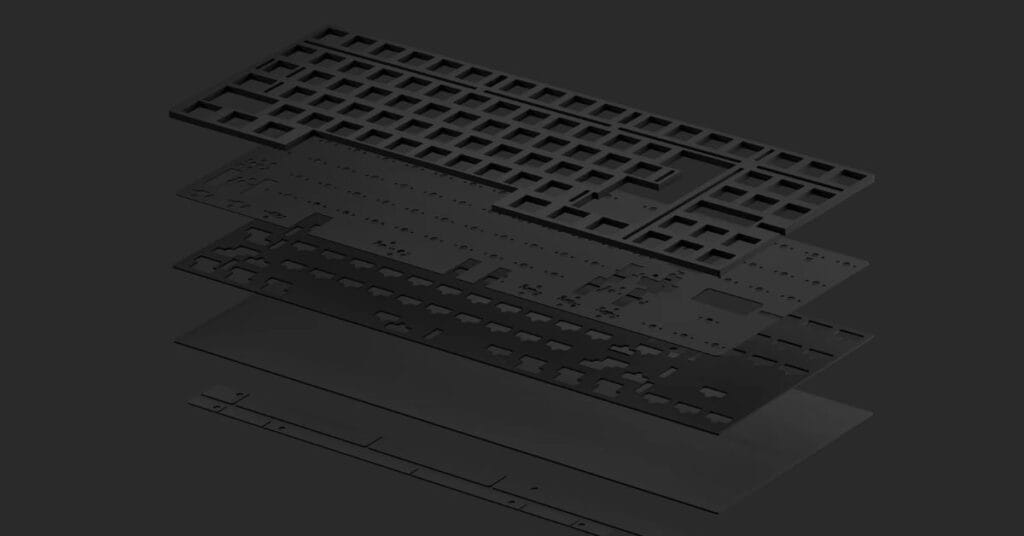
Where Foam Goes Inside Your Keyboard
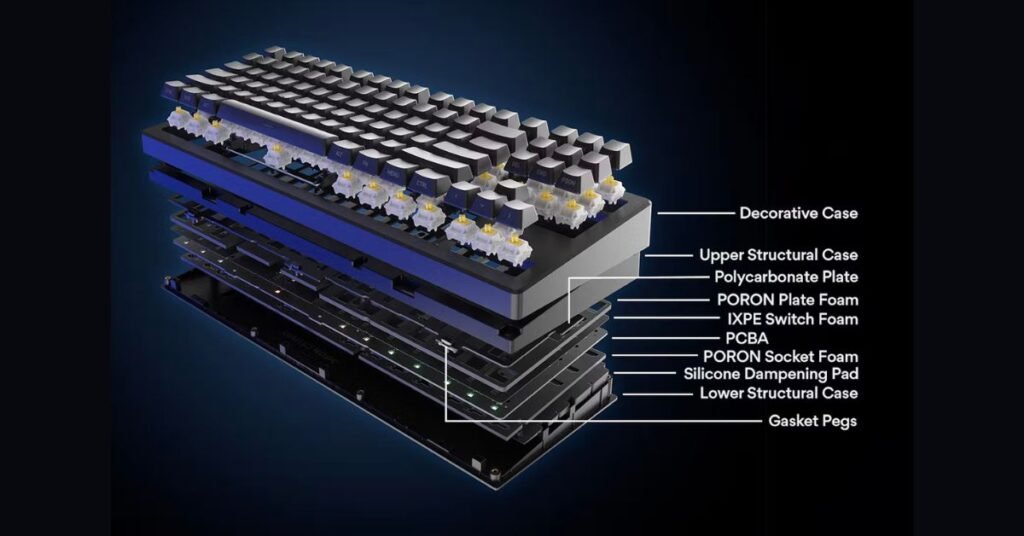
You don’t need to fill your board with foam like it’s a Build-A-Bear.
Instead, you place it strategically in one (or more) of these common spots:
Case Foam (Bottom Layer)
Foam placed in the bottom of your case helps eliminate hollowness and vibrations.
This is where Poron, EVA, Sorbothane, or even polyfill work well.
This is best for a big, instant improvement in sound.
You’ll need to avoid going too thick as it can make the case hard to close.
We go over everything about keyboard cases here:
Plate Foam (Between Plate and PCB)
This goes between your plate and your PCB.
It helps absorb the impact of each keystroke and smooths out harsh clacks.
It’s best for creating a softer, cleaner sound.
Be sure to watch the amount because it’ll make your switches feel mushy if it’s too thick.
If you’re not not sure what a plate is, learn here:
PE Foam (On Top of PCB)
This is the “PE mod” everyone talks about.
A thin foam layer between your PCB and switches gives you that poppy, marbly “thock” sound.
It’s best for getting that satisfying deep tone.
Keep in mind that it might not work well with all switch types.
The Best Types of Foam for Modding Keyboards
Now that you know where they’re supposed to go, let’s get into the best types of foam for keyboards.
We’ll cover everything from budget options to audiophile level and pre-cut kits to DIY sheets you can slice up with scissors.
Poron Foam
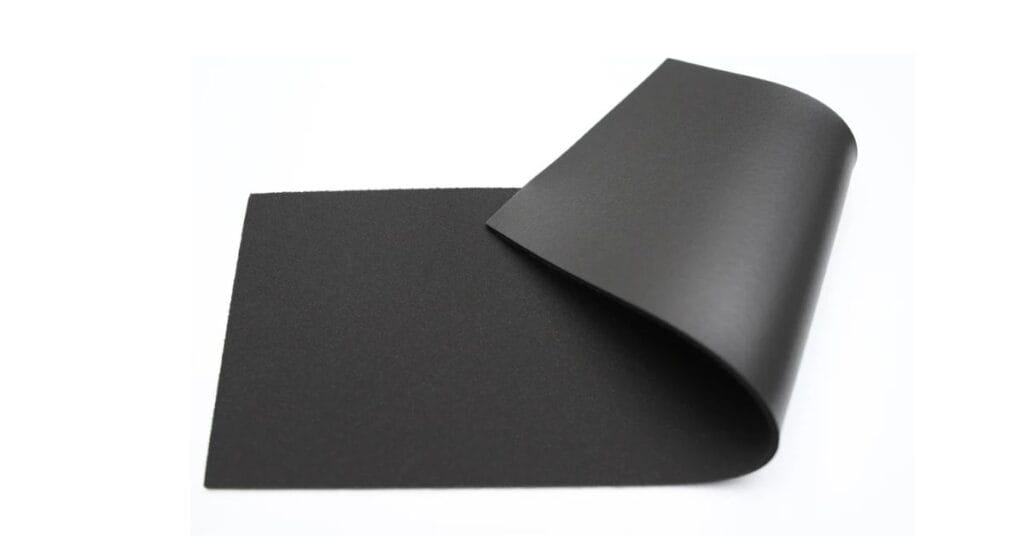
Best for: Case foam, plate foam
Sound: Deep, muted, luxurious
Feel: Soft, squishy, flexible
Why we love it: It absorbs sound beautifully without making your board feel mushy
Buy pre-cut: Poron Foam Kit – Plug and Play
DIY sheets: Poron Foam Sheets – Easy to Cut
EPDM Foam (Ethylene Propylene Diene Monomer)
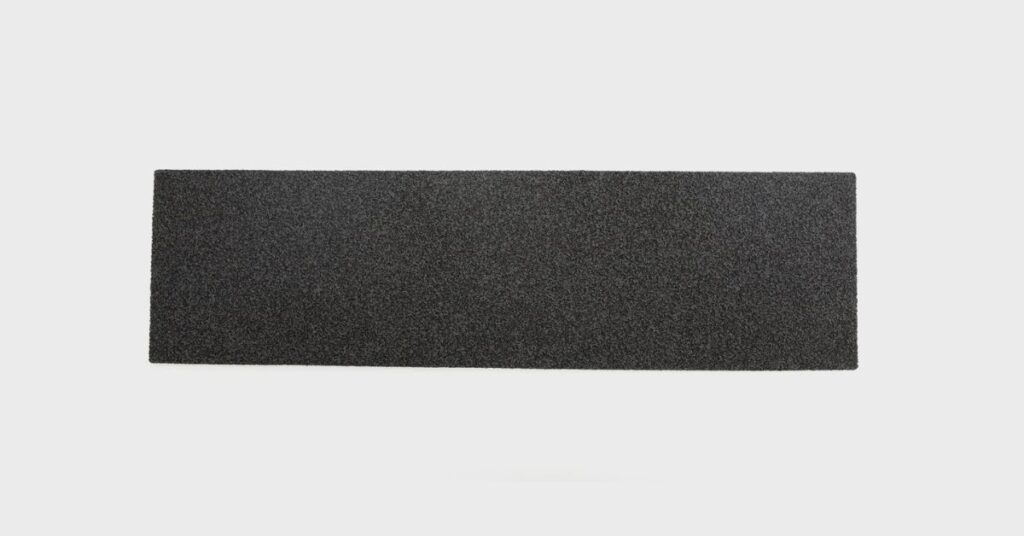
Best for: Case foam, heavy dampening
Sound: Deep, ultra-muted, very “solid”
Feel: Stiff, dense, and bouncy
Why we love it: It is the modern successor to Neoprene. EPDM is significantly better at killing high-pitched case resonance (that “ping”) in aluminum keyboards without making the sound feel “mushy.”
DIY sheets: EPDM Foam Sheets – With Adhesive
If you have a high-end aluminum board that sounds a little too “sharp,” EPDM is the answer. It’s denser than Poron, meaning it doesn’t just absorb sound, it stops it from traveling through the case entirely.
EVA Foam (Ethylene-Vinyl Acetate)
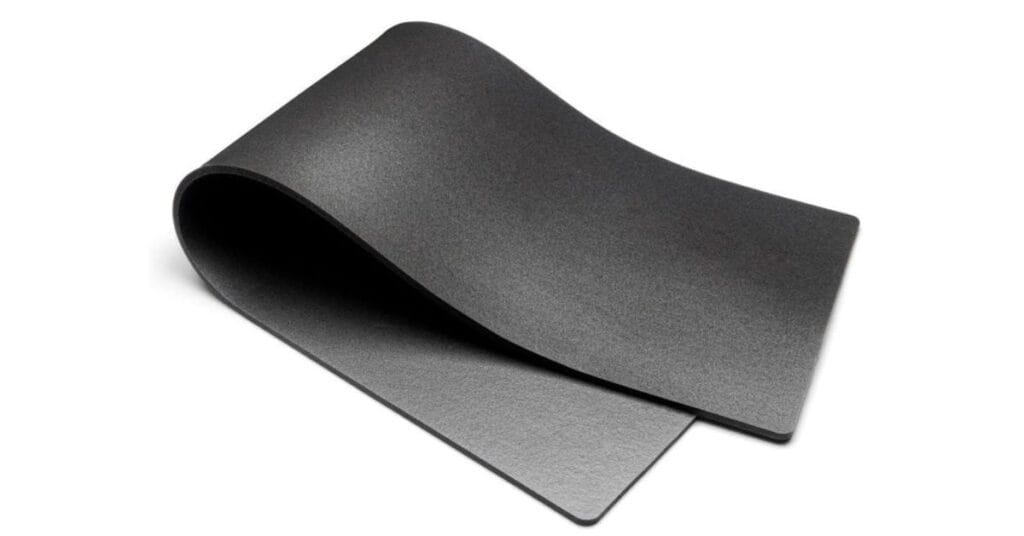
Best for: Case or plate foam
Sound: Subdued, firmer than Poron
Feel: Slightly stiffer, still absorbent
Why we love it: Cheap, easy to work with, and better than leaving your case empty
Buy pre-cut: EVA Kit – Good Value Pick
DIY sheets: EVA Foam Sheets – Trim to Fit
PE Foam (Polyethylene)
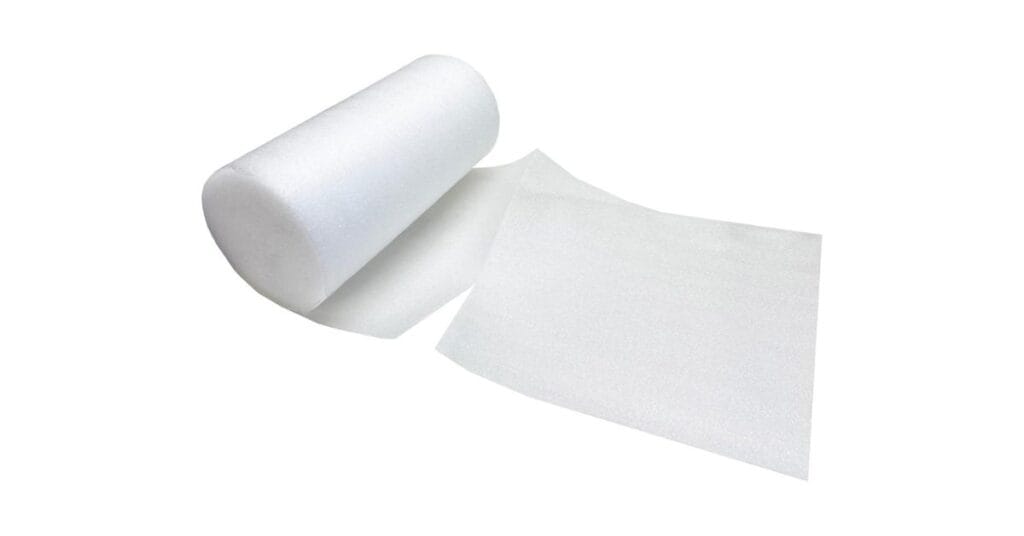
Best for: PCB layer (PE mod)
Sound: Crisp, poppy, marbly
Feel: Doesn’t affect feel, just changes sound
Why we love it: Great for gaming boards that need punchy feedback
Buy pre-cut: PE Mod Kit – Ready for Thock
DIY sheets: PE Foam Sheets – Get That Pop
Pro Tip: If you’re doing the PE Foam mod, always ensure you’re using Anti-Static (ESD-safe) foam. Using standard packing foam can cause static buildup that may permanently damage your PCB!
IXPE Pads (Irradiated Cross-Linked Polyethylene)
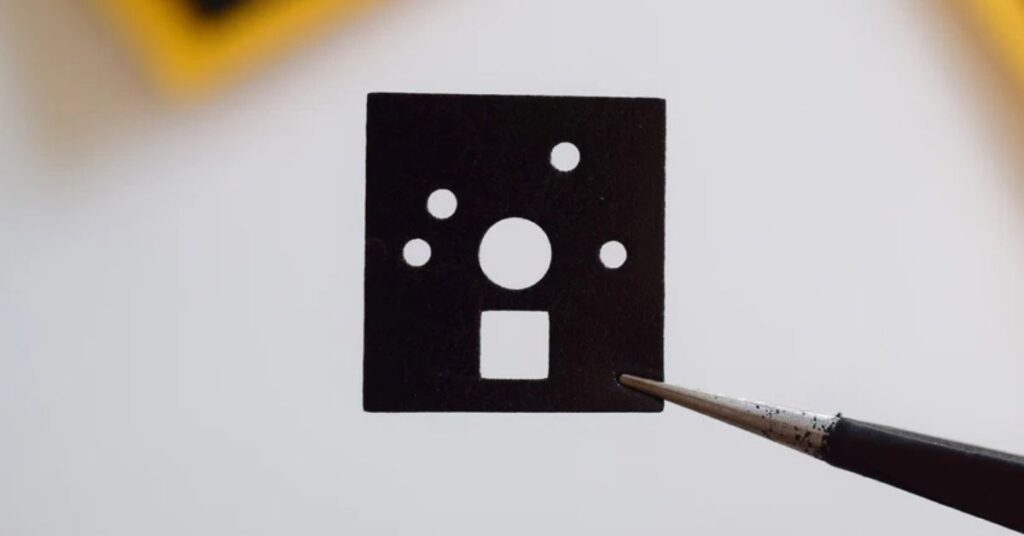
Best for: PCB layer (The “New” PE Mod)
Sound: Crisp, marbly, and “poppy”
Feel: No change to typing feel
Why we love it: While traditional PE foam can sometimes be too thick, ultra-thin IXPE sheets provide that satisfying marbly pop while being thin enough to fit in even the tightest builds.
Buy pre-cut: IXPE Switch Pads – Instant Marble Sound
If you are chasing a creamy keyboard sound profile, IXPE switch pads are the most effective mod. They act as an acoustic lens for your switches, focusing the sound into a clean, “marbly” pop. It’s the perfect middle ground if you find Poron too muted but want more character than a bare PCB.
Editor’s Note: Remember to keep in mind ANSI vs ISO layout. These layouts have different numbers of keys and you’ll have to make sure you have enough pads for them.
Neoprene
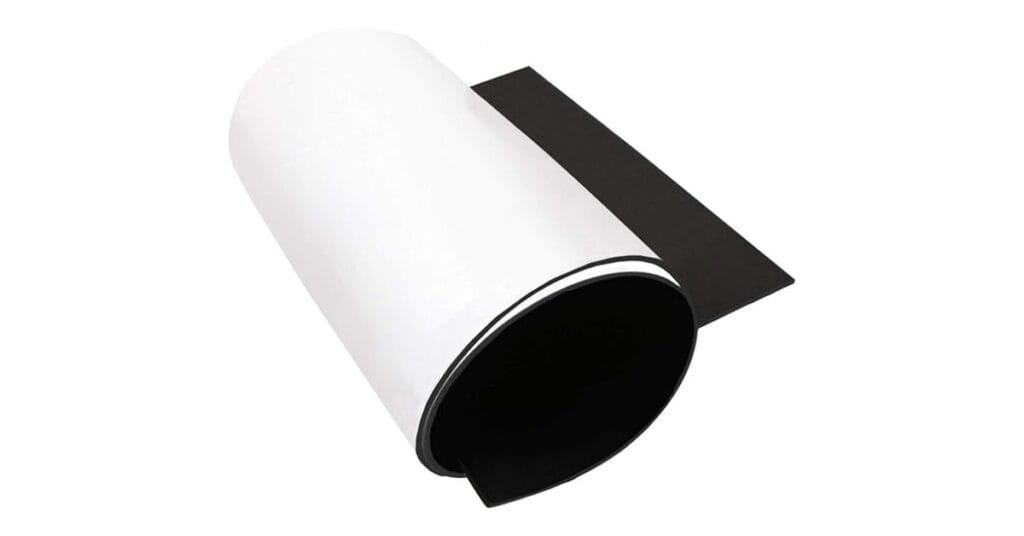
Best for: Case foam
Sound: Subtle, clean, and tight
Feel: Very firm, dense
Why we’re cautious: It’s harder to work with, and results vary
DIY sheets: Neoprene Sheets – Thick and Dense
We don’t recommend neoprene for first-time modders. It’s tough to cut, unforgiving if you mess up, and doesn’t always improve the sound as much as you’d hope.
Sorbothane
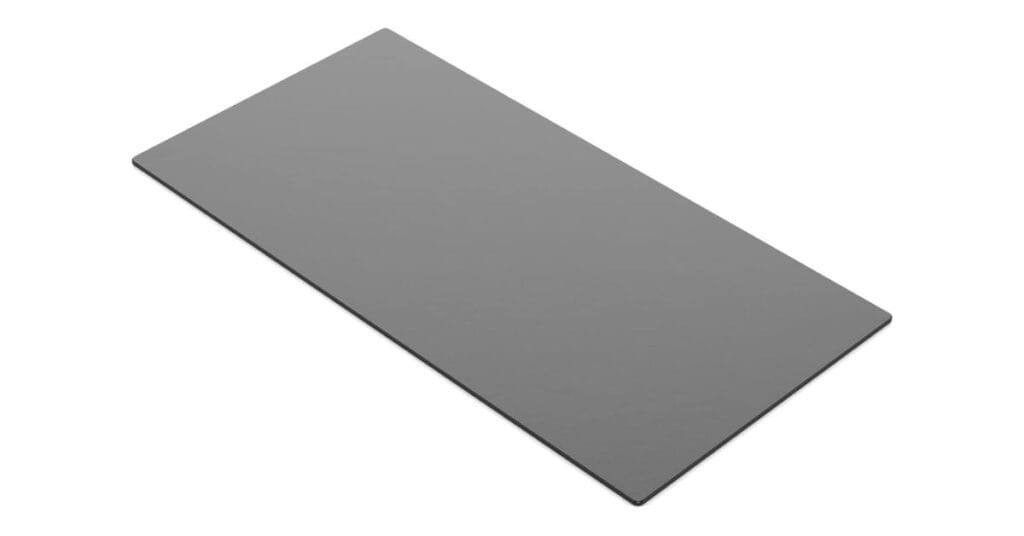
Best for: Case foam only
Sound: Extremely dampened, vibration-killing
Feel: Super soft, heavy, sticky
Why it’s interesting: It’s what scientists use to isolate vibrations, seriously
Watch out: It’s pricey, messy to handle, and a little overkill for beginners
DIY sheets: Sorbothane Sheets – Extreme Dampening
Great for sound-obsessed builders, but it’s like putting racing tires on your first car. Maybe save it for round two.
Polyfill
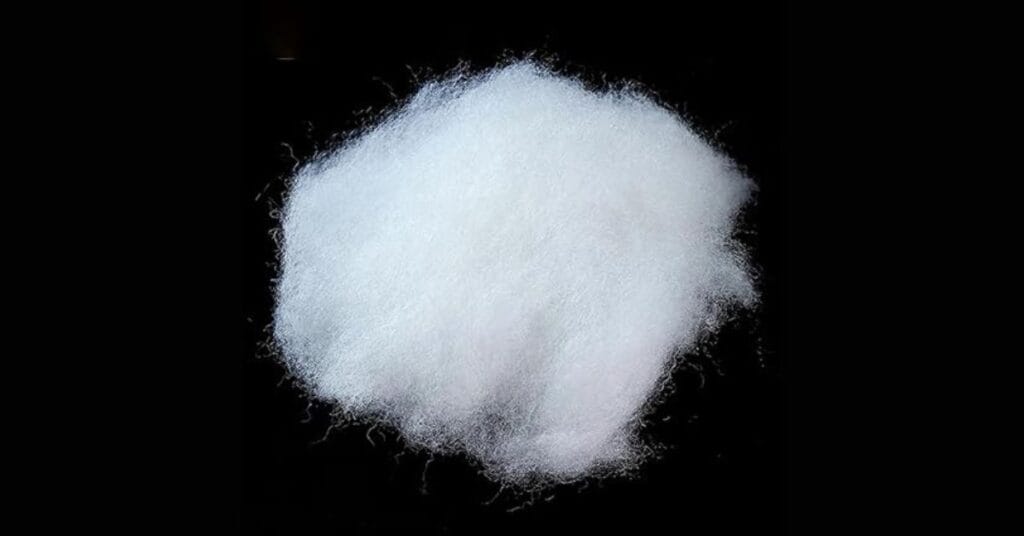
Best for: Case foam
Sound: Soft, pillowy, surprisingly decent
Feel: Light and airy
Why it’s fun: Dirt cheap and found in old pillows or at craft stores
Caution: Can compress over time and shift around
Buy a bag: Polyfill Stuffing – Budget Hero
If you’re on a budget or just want to experiment without breaking the bank, this is a fun one to try. Just don’t overstuff it.
Foam Comparison Chart
| Foam Type | Use Location | Sound Style | Feel | Beginner Friendly |
|---|---|---|---|---|
| Poron | Case, Plate | Deep, clean | Soft | ⭐⭐⭐⭐⭐ |
| EPDM | Case only | Deep, solid | Bouncy/Dense | ⭐⭐⭐ |
| EVA | Case, Plate | Muted, firm | Medium | ⭐⭐⭐⭐ |
| PE | PCB (PE mod) | Crisp, marbly, thocky | No change | ⭐⭐⭐⭐ |
| IXPE | PCB Layer | Marbly, poppy | Subtle cushioning | ⭐⭐⭐⭐ |
| Neoprene | Case only | Tight, subtle | Very firm | ⭐⭐ |
| Sorbothane | Case only | Extremely dampened | Ultra soft | ⭐⭐ |
| Polyfill | Case only | Soft, airy | Light and fluffy | ⭐⭐⭐⭐ |
So… What Foam Should You Use?
We’ll make it easy for you with some suggested guidelines:
Just want a better-sounding board fast? Go with Poron case foam. Drop it in, close it up, and enjoy the thock. It’s flexible, forgiving, and instantly takes that cheap, hollow tone down a few notches.
On a budget? Try EVA foam or even polyfill (way better than leaving your case empty). EVA is cheap and easy to find, while polyfill is basically free if you’ve got an old pillow lying around. Either one can take your board from clacky chaos to pleasantly muted in minutes.
Craving that TikTok-level thocky pop? Add PE foam under your switches and let your keyboard sing. It’s the go-to for that soft, marbly sound that mechanical keyboard YouTube and Instagram reels love to flex. Bonus: it doesn’t change how your board feels, just how it sounds.
Tinkerer or audiophile? Give Sorbothane a shot. It’s messy but magical (just don’t say we didn’t warn you). It’s dense, sticky, and incredibly effective at stopping vibration dead in its tracks. If you’re chasing a truly dampened, low-pitched typing experience, it might be your new favorite thing.
Avoid neoprene for now. It’s a little advanced, and there are easier wins out there for first-timers. It’s stiff, it’s tricky to cut, and it might not make a dramatic difference unless you already know what sound you’re going for.
Remember, you don’t need to fill every possible spot with foam right away.
START WITH ONE LAYER, test it out, and build from there.
Modding is half science, half art.
The more you tweak and experiment, the more you’ll learn what sound and feel you actually like.
We break down which switches help give you the “thock” or the “clack” here:
Common Questions About Keyboard Foam
Which foam is best for a “creamy” keyboard sound?
Use IXPE switch pads or a thin layer of PE foam on top of the PCB. This creates a focused, marbly “pop” rather than just muting the sound.
Can I use foam in a magnetic (Hall Effect) keyboard?
Yes, but be careful. Adding too much plate or PCB foam can sometimes alter the distance between the magnet and the sensor, affecting your Rapid Trigger settings. Stick to case foam for HE boards like the Wooting or Apex Pro.
Is it safe to use packing foam for a keyboard mod?
Not recommended unless it is labeled as anti-static (ESD-safe). Standard packing foam can generate static electricity that may permanently damage your PCB.
Does more foam always equal more “thock”?
No. While some foam helps deepen the sound, over-stuffing your case can “choke” the acoustics and make your keyboard sound flat or “dead.” It’s better to use one high-quality layer of Poron or EPDM than several layers of cheap foam.
Foam Your Way to a Better Keyboard
Let’s be real, you don’t need to build a $400 custom keyboard to get that premium typing sound.
A couple layers of well-placed foam can totally transform how your board sounds and feels.
Just a few sheets of the right foam can kill annoying case echo and deepen your typing sound.
Whether you’re laying down ranked matches, hammering out reports, or just chilling in Discord, keyboard foam mods can turn a mediocre keyboard into something you actually enjoy using.
So, what are you waiting for? Grab some foam and start modding!
Now that you’ve tackled the hollowness sound in the board, it’s time for the stabs. Learn about them here:
Did you learn all you wanted to about foam? Share this article with your keyboard crew!