Popped open your first mechanical keyboard and wondering why the keys aren’t gliding like a dream?
That’s where keyboard lube comes to the rescue!
Lubing your keyboard turns gritty, noisy keys into a smooth, quiet joyride.
We’re here to guide you through the best keyboard lubes and make sense of it all without frying your brain.
By the end of this guide, you’ll have all the knowledge you need to make your switches glide like they’re ice skating.
So, let’s not waste anymore time and get into it!
*Keyboard Forge is a participant of affiliate programs and earns from qualified purchases*
Keyboard Lube Comparison Chart
Here’s a quick glance at the main lubes to help you pick the right one for your keyboard. This table sums up their types, best uses, and thickness, so you can compare and choose like a pro.
| Image | Product | Details | Links |
|---|---|---|---|
 |
| Amazon | |
 |
| Amazon | |
 |
| Amazon | |
 |
| Amazon | |
 |
| Amazon | |
 |
| Amazon |
What Parts of Your Keyboard Need Lube?
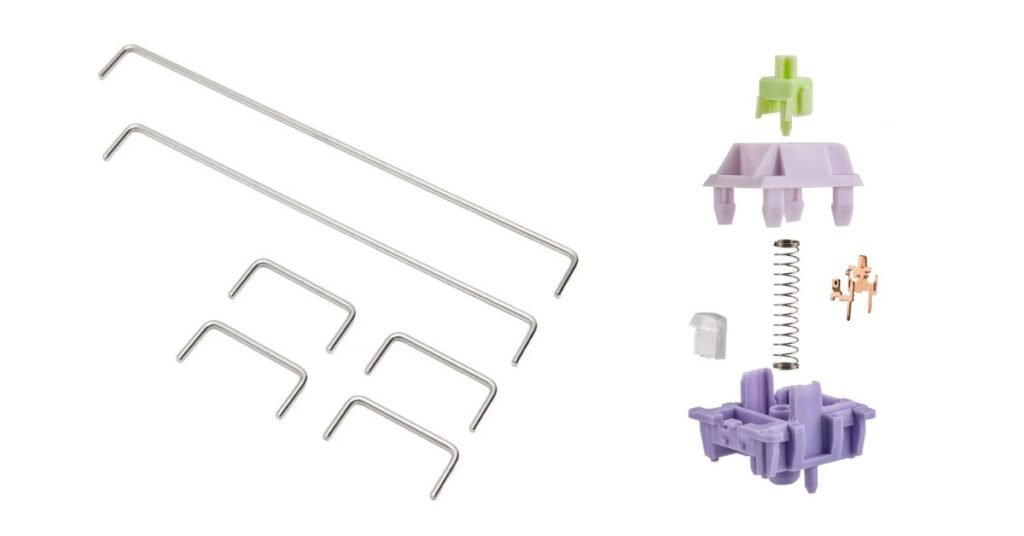
Before we dive into the slippery stuff, we gotta talk about the keyboard parts that need some love. These are the bits that make or break your typing experience.
- Switches: The heart of each key, deciding if it’s smooth (linear), bumpy (tactile), or loud (clicky). Lubing them cuts scratchiness and tweaks the sound.
- Stabilizers: The helpers under big keys like Spacebar or Shift. They stop wobbling, and lube keeps them gliding quietly.
- Springs: Tiny coils inside switches that bounce keys back up. A dab of lube silences their pesky ping.
Lubing these parts with mechanical keyboard lube transforms your keyboard into a smooth operator.
Now, let’s meet the lubes that’ll get the job done!
If you want to learn more about individual components, check out our guides here:
Types of Keyboard Lubricants
Not every lube for keyboards is the same.
You’ve got greases, oils, and some fancy mixes we’ll touch on lightly to keep things simple.
Here’s the details on what’s out there.
Greases

Greases are thick, creamy, and stick where you put ‘em (kinda like peanut butter on toast).
They’re awesome for parts that need long-lasting slickness (we’re mostly talking switches and stabilizers).
Think of them as the heavy-duty workers of the lube world.
Here are the ones you’ll hear about all the time:
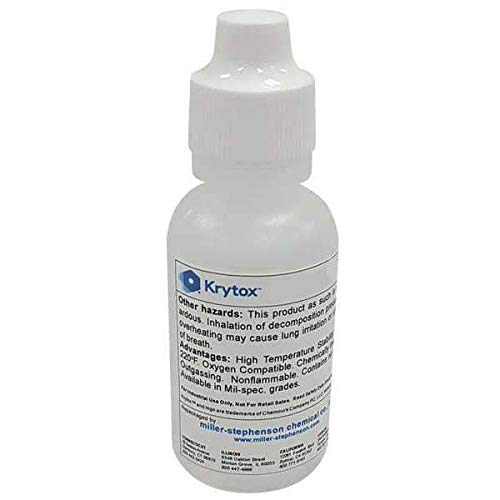
- Krytox GPL 205g0: A super thick grease that’s a favorite for linear switches and stabilizers. It gives that buttery-smooth feel everyone raves about.
- Tribosys 3204: Medium-thick and versatile. This grease works great for both linear and tactile switches.
- Tribosys 3203: Thinner than 3204, it’s the go-to for tactile switches, keeping that satisfying bump while making presses glide.
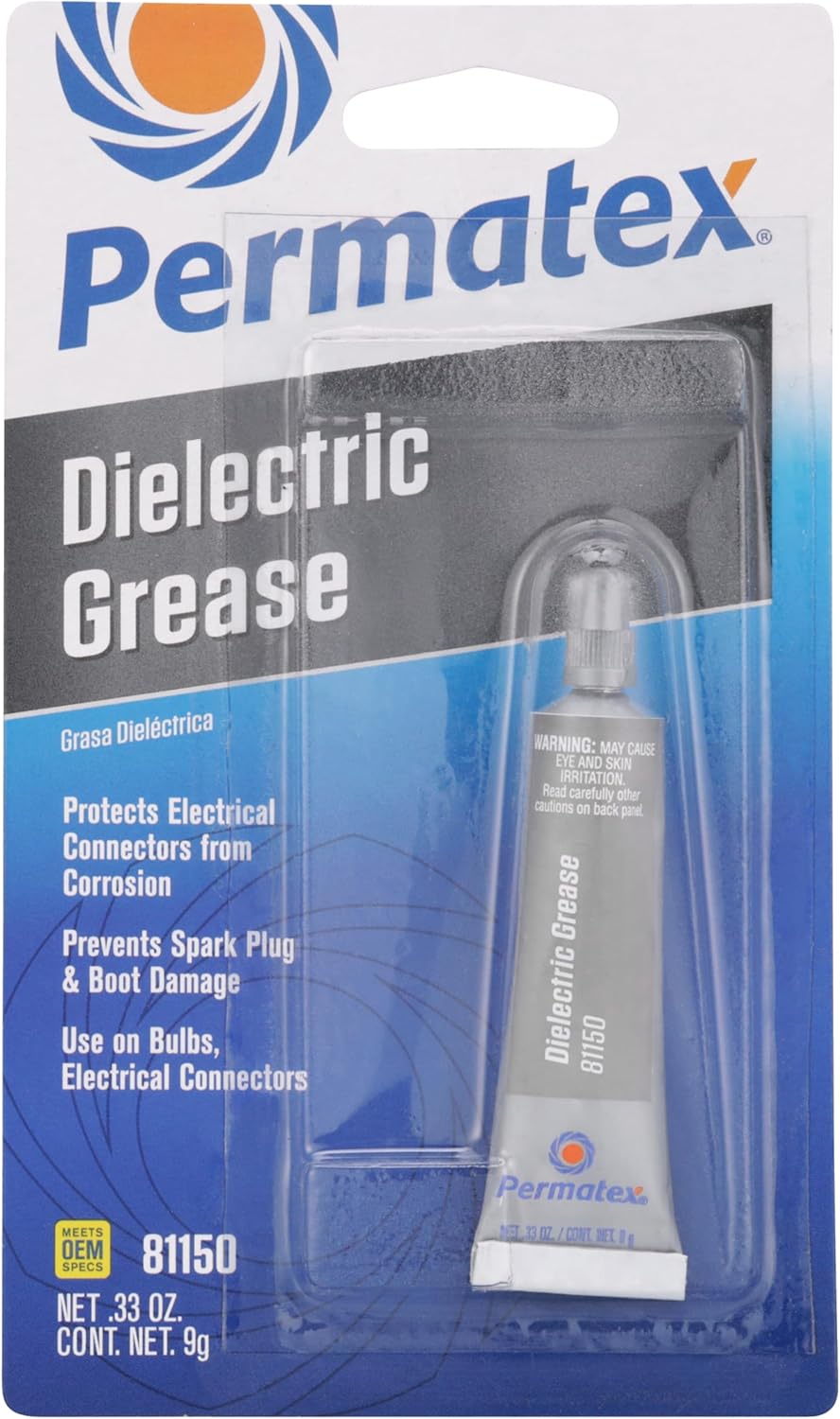
- Dielectric Grease: A thick, wallet-friendly option often used for stabilizers.
Oils
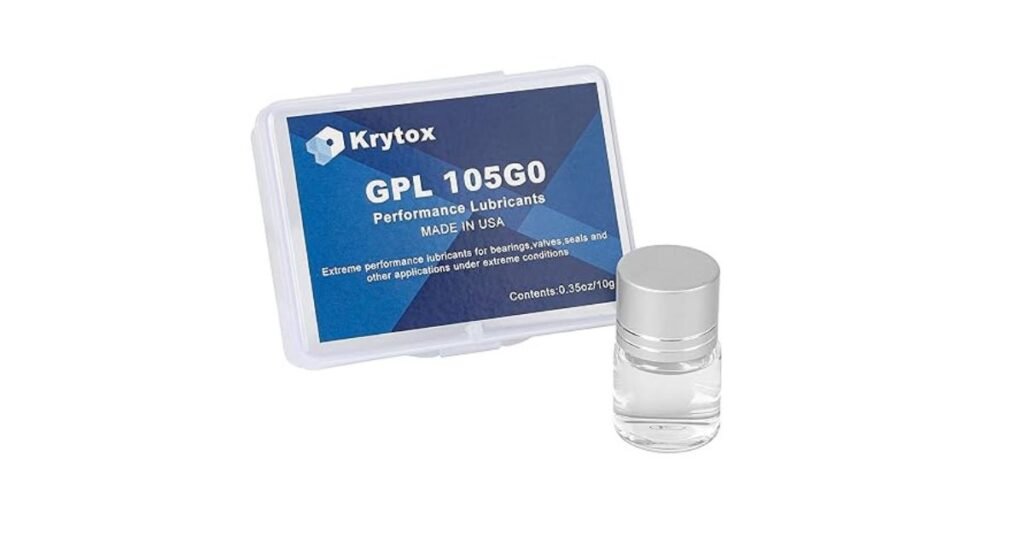
Oils are thin, runny, and a breeze to apply (kinda like drizzling olive oil on a salad).
They’re ideal for lighter jobs, like springs or switches that don’t need heavy lubing.
Oils spread easily but might not last as long as greases, so they’re perfect for quick fixes or parts with less friction.
Check out these popular picks:
- Krytox GPL 105: A super thin oil that’s perfect for springs and light switch lubing. It’s a pro at killing spring ping.
- Krytox GPL 107: A tad thicker than 105, this oil is great for springs or linear switches when you want a bit more substance.
Hybrids and Specialty Stuff
Some keyboard wizards mix greases and oils to create custom blends, like GH V4, for super specific feels.
These hybrids are cool but waaaay too advanced for beginners. So, don’t sweat them yet.
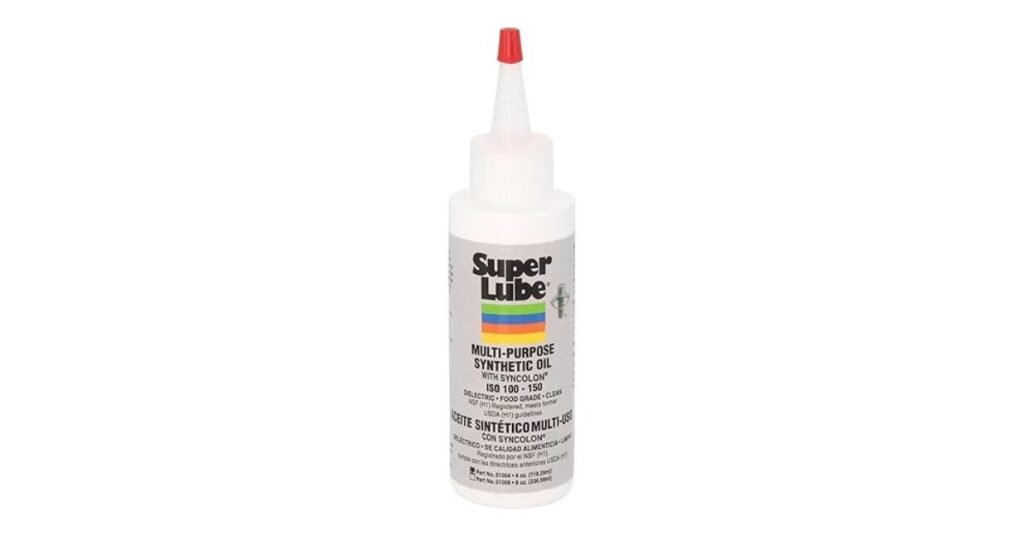
You might also stumble across non-keyboard lubes, like Super Lube, used by some enthusiasts.
They can work in a pinch, but they’re not optimized for keyboards and might cause issues.
Stick with keyboard-specific switch lube like Krytox or Tribosys to keep your board safe and happy.
Mechanical Keyboard Lube Naming Schemes
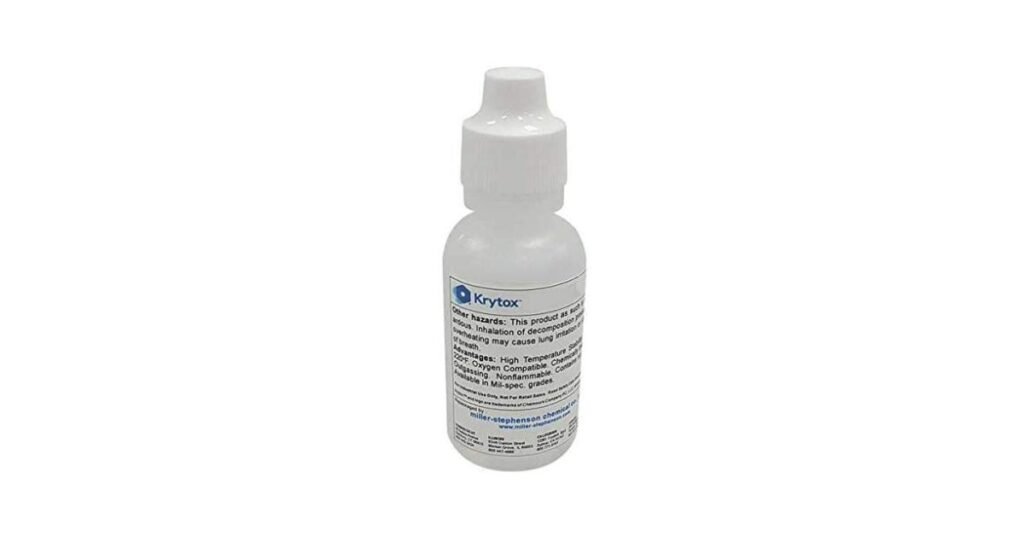
Those names like Krytox GPL 205g0 or Tribosys 3203 sound like sci-fi gibberish, right?
Don’t worry. They’re actually telling you what the lube does.
Let’s break it down.
Why Names Matter: The numbers and letters clue you in on whether it’s oil or grease and how thick it is.
Krytox Naming:
- Oils: GPL 100 series (like GPL 105 or 107). Higher numbers mean thicker oil (107 is beefier than 105).
- Greases: GPL 200 series (like GPL 205g0 or 207). Same deal: higher numbers, thicker grease. The “g0” in 205g0 means it’s the ideal consistency for keyboards.
Tribosys Naming:
- 3203 and 3204: The “3” means it’s PFPE-based (fancy lube stuff like Krytox). The last digit shows thickness: 3203 is thinner for tactile switches, 3204 is thicker for linears.
Quick Tip: Check the series (100 vs. 200 for Krytox, 3203 vs. 3204 for Tribosys) to know what you’re working with and how slick it’ll feel.
Still with us? Awesome! Let’s figure out where to put these lubes.
Where to Slather the Lube for Keyboards
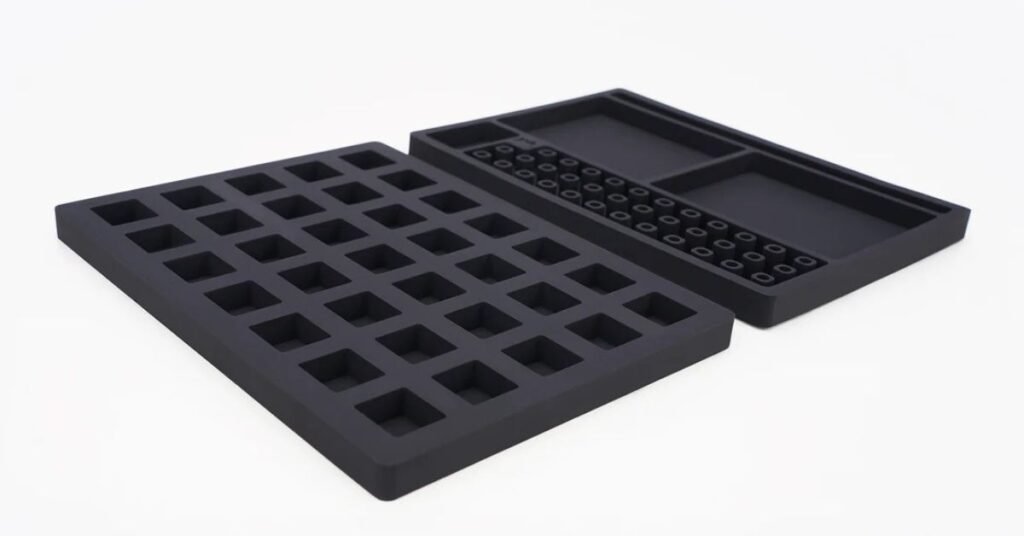
Each part of your keyboard loves a specific type of lube for keyboards.
Think of it like pairing snacks with dips, get the combo right and it’s perfection.
Here’s where to use each lube.
Switches
Switches are the soul of your keyboard, and the right lube depends on their type.
Linear Switches (smooth, no bump):
- Use thick greases like Krytox GPL 205g0 or Tribosys 3204.
- They make presses glide like a hot knife through butter and hush any scratchy sounds.
Tactile Switches (bumpy feel):
- Go for thinner greases or oils like Tribosys 3203 or Krytox GPL 105.
- Smooths the travel while keeping that tactile bump you love.
Clicky Switches (loud and proud):
- Rarely need lube, but a tiny bit of Krytox GPL 105 works if you must.
- Keeps the iconic click while cutting minor grit.
If you’re a total beginner and want to be super safe, don’t mess with the leaf or clicking mechanism at all. Just lube the rails and stem on the switches. And remember: a little lube goes a long way!
Editor’s Note
Stabilizers
Big keys like Enter or Backspace rely on stabilizers to stay steady, and lube keeps them quiet.
- Use thick greases like Krytox GPL 205g0 or dielectric grease.
- Stops rattles and makes big keys feel just as smooth as the small ones.
My personal favorite here is putting dielectric grease in a syringe and applying a microscopic amount at a time until I’m happy with the way the stabs sound. Don’t put too much or your stabs will be mushy!
Editor’s Note
Springs
Those little coils inside switches can get noisy without some attention.
- Use oils or thin greases like Krytox GPL 105.
- Kills spring ping and keeps every press feeling consistent.
This one is pretty hard to mess up. I put a healthy amount of Krytox GPL 105 into an empty medicine bottle and shake all the springs around. The most annoying part is untangling all the springs.
Editor’s Note
Picking the Perfect Keyboard Lubricants

Choosing the best keyboard lube is easier than picking a Netflix show.
Keep these tips in mind and you’ll be golden.
Match the Switch Type: Linears need thick lubes, tactiles want thinner ones, and clicky switches barely need any. Simple!
Feel and Sound Goals:
- Love smooth and silent? Thick greases like Krytox GPL 205g0 or Tribosys 3204.
- Want a lighter feel with some feedback? Try Tribosys 3203 or Krytox GPL 105.
Stay Safe: Only use plastic-safe, non-conductive lubes like Krytox, Tribosys, or dielectric grease to avoid wrecking your keyboard.
Budget: Krytox GPL 205g0 and Tribosys 3203 are affordable.
Community Favorite Lubes

The keyboard community is obsessed with these switch lubes.
They’re beginner-friendly and make your keyboard feel amazing.
A 3ml vial can lube 100 to 500 switches!
- Krytox GPL 205g0: Thick grease that’s a must for linear switches and stabilizers.
- Tribosys 3203: Thinner grease that’s perfect for tactile switches, keeping the bump while making presses silky.
- Tribosys 3204: Medium-thick grease that’s great for linear and tactile switches.
- Krytox GPL 105: Thin oil that’s a spring’s best friend and awesome for light switch lubing.
We highly recommend you stick to these guys if you’re just barely getting your feet wet.
Check out this article here for a recommendations on other lube brands:
Keyboard Lube Rookie Mistakes

Lubing is a blast, but watch out for these newbie traps when using mechanical keyboard lube.
Overlubing: Too much lube makes keys feel like mush and attracts dust. Go easy! A little lube goes a loooong way.
Wrong Lube for the Job: Don’t put thick grease on clicky switches. It’ll kill the click (which is the whole point of the switch).
Sketchy Lubes: Non-plastic-safe lubes can melt your keyboard. Stick with Krytox, Tribosys, or dielectric grease.
Mixing Up Parts: Stabilizers need thick stuff, springs need thin.
Wrapping Up
Factory lubing has come a long way. Most of the time, getting a pre-lubed switch from the factory is “good enough.” You really have to weigh effort vs value when it comes to lubing switches. Unless you’re really, really on a budget (or really, really bored), just go with a trusted factory-lubed switch and call it a day.
Editor’s Note
That’s the full scoop on keyboard lube to turn your mechanical keyboard into a typing dream!
Slather (sparingly) the best keyboard lube like Krytox GPL 205g0 or Tribosys 3203 on your switches, dielectric grease on your stabilizers, and Krytox GPL 105 on your springs.
You won’t regret it. We promise you’ll be wondering to yourself, “Why didn’t I do this sooner?”
So what are you waiting for? Go back to the community favs section above and grab our recommended beginner lubes to get started now!
If you’re ready to start lubing some switches, we’ve got some recommendations for you here:
If this article helped you out, be sure to share it with a fellow keyboard enthusiast!